
Thought Leadership
Engineering EssaysPerspectives on Agentic AI & Enterprise Delivery
Practical engineering essays and architectural patterns from our team in Switzerland. How we build eval gates, design human-in-the-loop workflows, and operate AI systems for regulated industries.
Audra Eval: How we hold our own AI work accountable
CI/CD for AI accuracy: quality gates, citations, hallucination rates, and production monitoring.
Certified secure: Our upgrade to ISO 27001:2022
Swiss-style security, independently certified. Required for the banks and health teams we serve.
The agentic journey to production
Demos are easy. Production means observability, evals, cost, and a long-term operating model.
Building reliable AI document pipelines
Onboarding and health data live in messy documents. Reliability is the product.
Making agentic AI real: How Windmill’s sprint bridges ambition and execution
Four weeks to a working prototype, architecture, and a path to scale that fits the business.

What is innovation strategy? Overview, key benefits, and examples
Staying competitive and relevant requires more than just keeping up with the latest trends. It demands a structured and forward-thinking approach known as an innovation strategy.
10 UX best practices for optimal user experience in 2026
Staying ahead of the curve is essential in the fast-paced digital design world, where user expectations constantly evolve. As we embark on the journey into 2024, the User Experience (UX) landscape is poised for exciting advancements and innovations.

How to create a service blueprint
Delivering a service to a customer involves multiple components, technologies and people working together across various channels. This can make it difficult for companies to monitor customer experiences and identify areas for improvement.
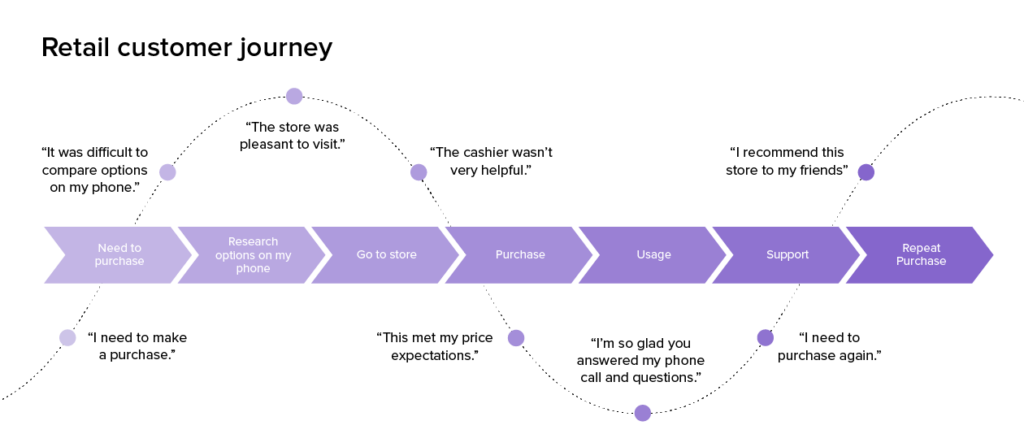
Customer journey mapping: The Windmill guide to design thinking
When embarking on a journey, especially one to an unfamiliar location, you do not leave anything to chance. You’ll need a plan for how to get there, and a map, whether traditional or digital, like Waze or Google Maps, will make the journey more pleasant.
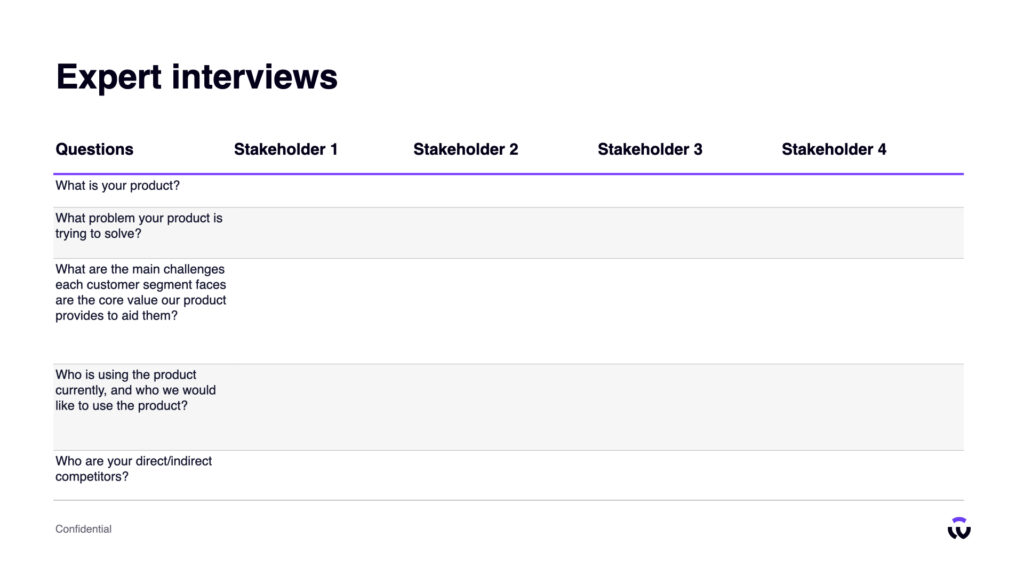
Expert interviews: The Windmill guide to design thinking
Every designer understands that research is a critical component in a successful product design. Expert interviews are an integral element of research.
All about Wealthtech: Past, present, and future
Let’s talk about Wealthtech. If the last fifteen years or so have been characterized by an intensive drive to digitalize almost all aspects of our economy, it’s fair to say that wealth management has been something of a laggard in that respect.
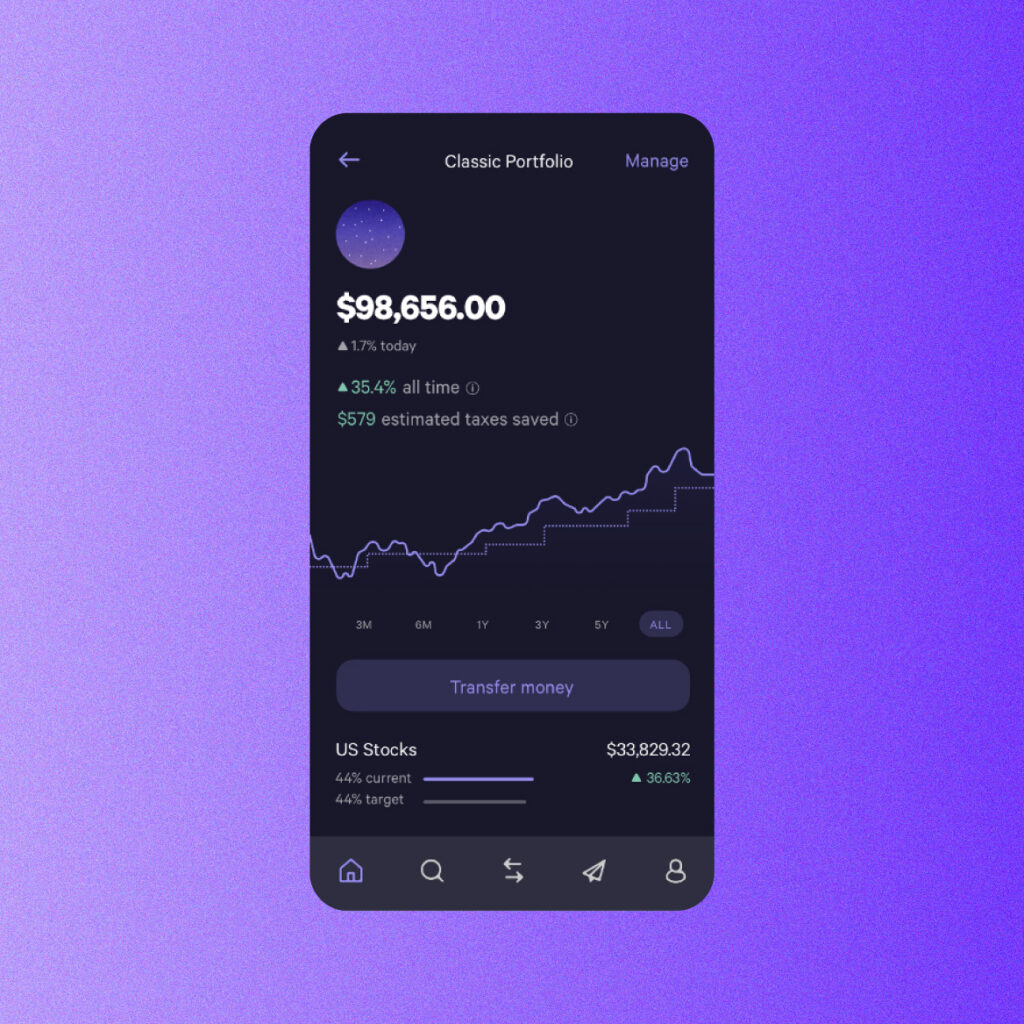
Six Wealthtech apps with outstanding UX
Wealthtech apps help us manage our wealth better—and our experience as users only gets better when they’re easy to use (and pretty to look at!). The success of Wealthtech apps (partly) depends on their UX.
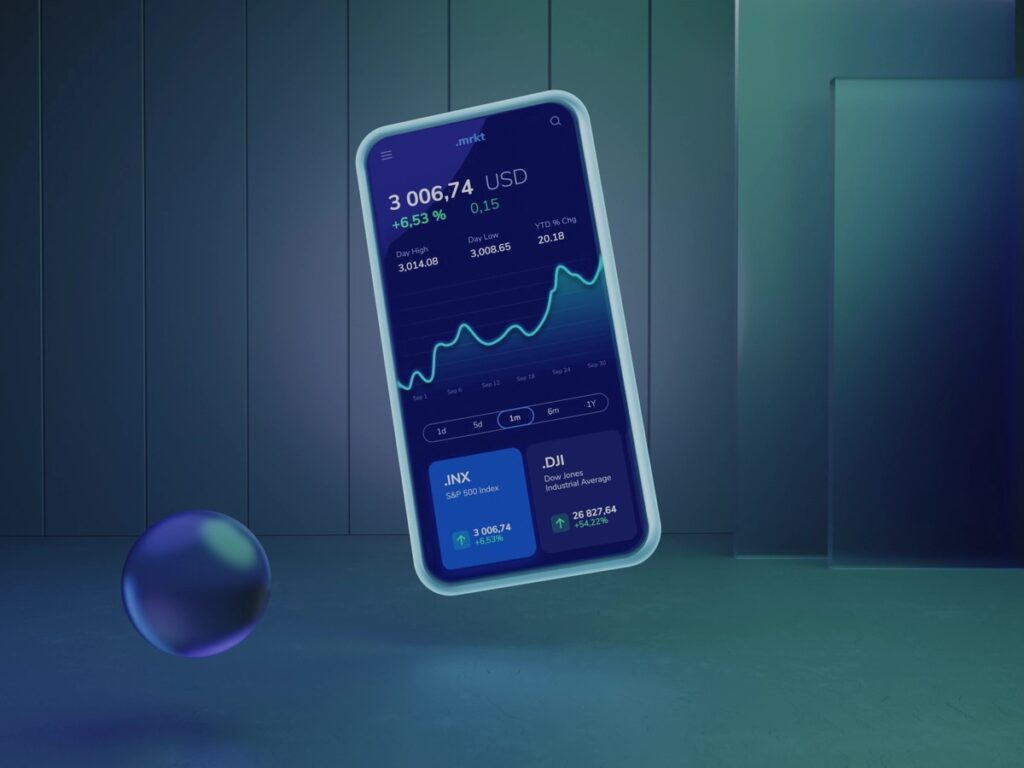
Psychology of color in financial app design
They say don’t judge a book by its cover, but what if you judge it by its color instead? Pretty colors are a sight for sore eyes, and this is true in the world of financial app design too.
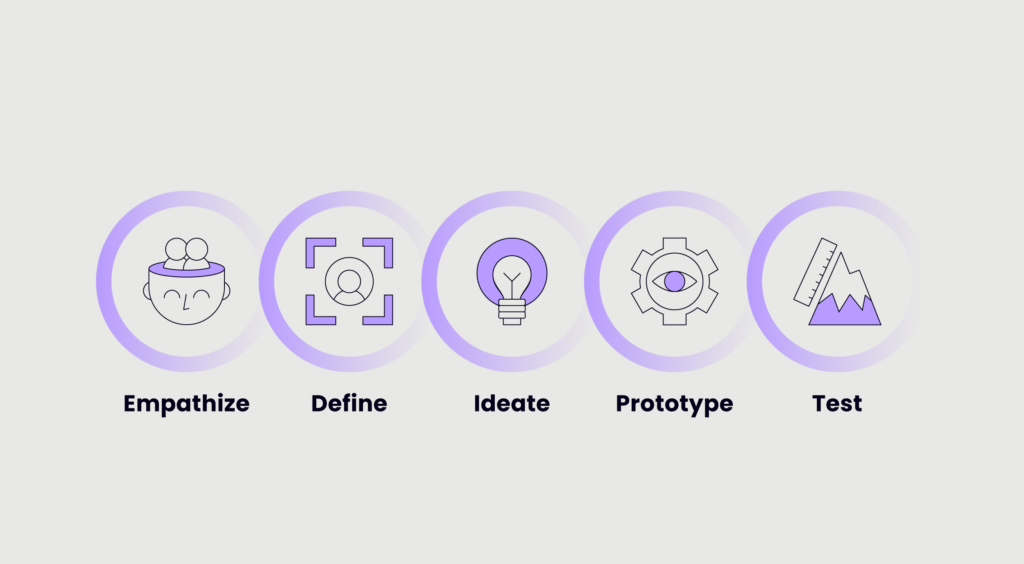
The five design sprint phases for start-ups
Design Sprints are a win-win for start-ups, producing a scaled-down testable product or feature and providing a start-up with valuable, actionable testing data. Imagine building a finished product only to then find out that your target audience didn’t engag…

All about Fintech: History, development, and future
Fintech, a portmanteau of financial technology, describes the industry based on developing digital technologies that replace, supplement, or enhance existing financial services. Fintech has revolutionized finance over the years, particularly in the consumer…
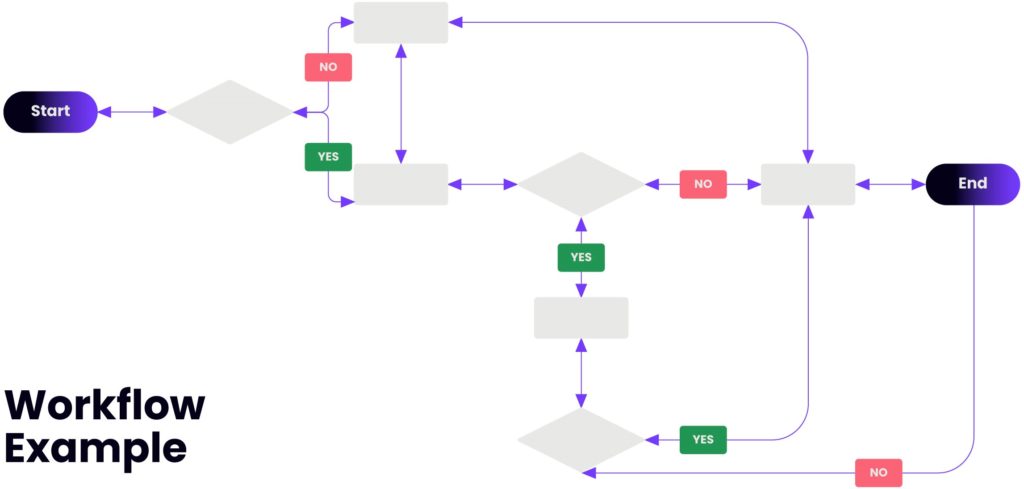
How workflow diagrams expose weaknesses in UX design
A workflow diagram (also known as a workflow) provides a graphical overview of a process. Using standardized symbols and shapes, the workflow shows, step-by-step, how a process is completed from start to finish.
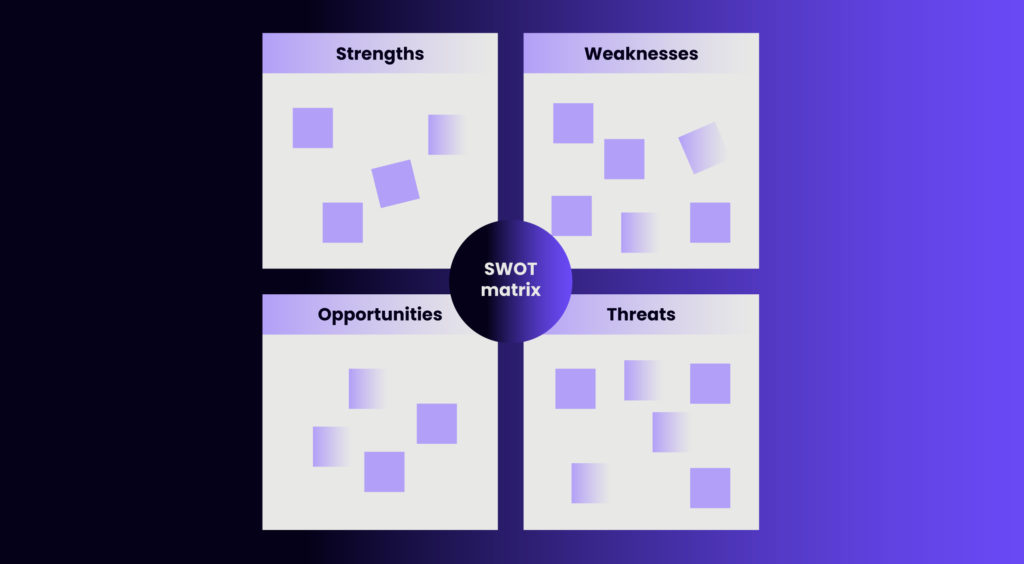
Three frameworks to understand your competitive environment
In our previous blog post , we offered you a guide to understanding your competition. Now, we want to build on that piece and explain how to understand your company’s position within its broader competitive environment.
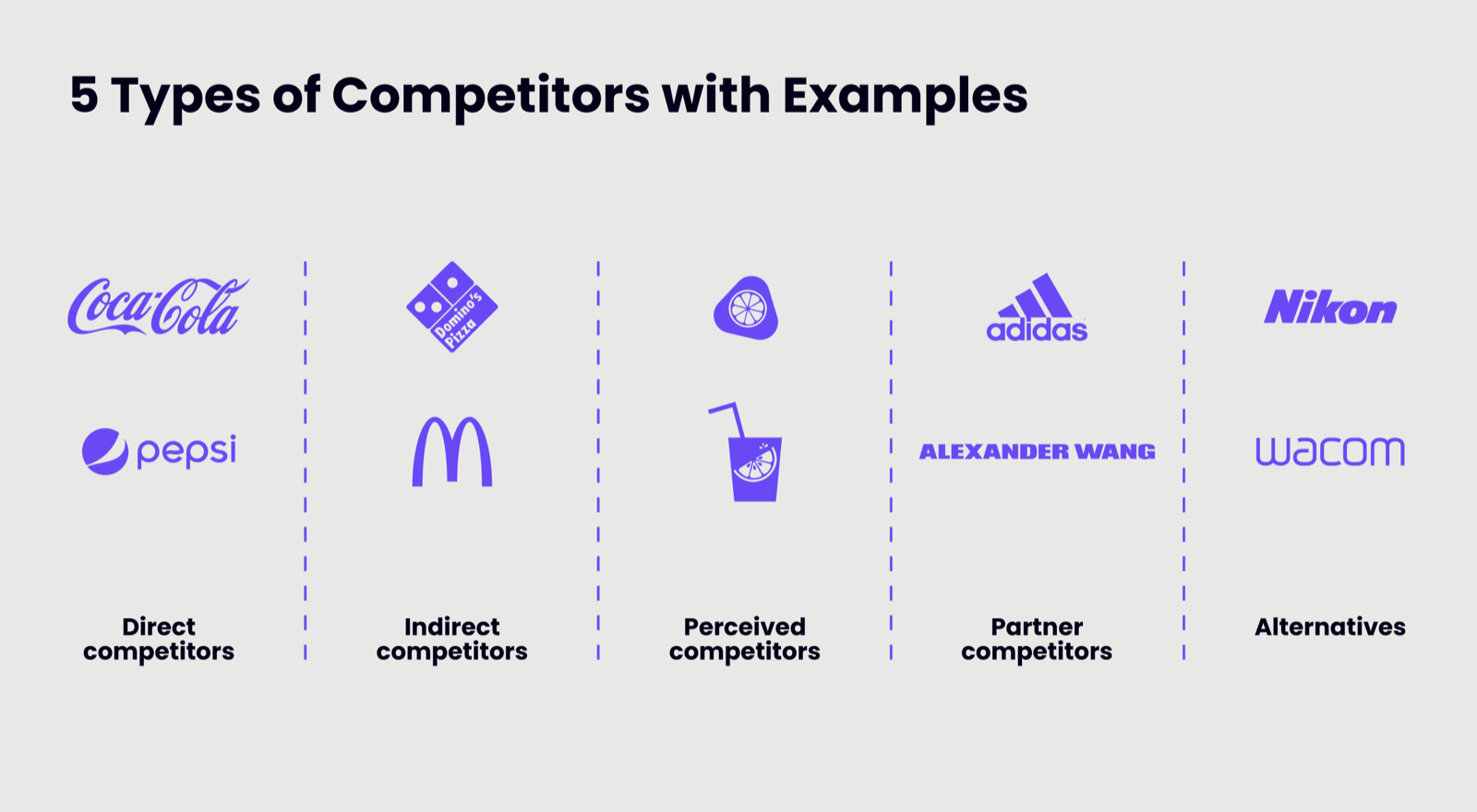
Competitive analysis: The Windmill guide to design thinking
Every company needs to stand out. Not necessarily in a showy, attention-grabbing way, a company must occupy a niche.
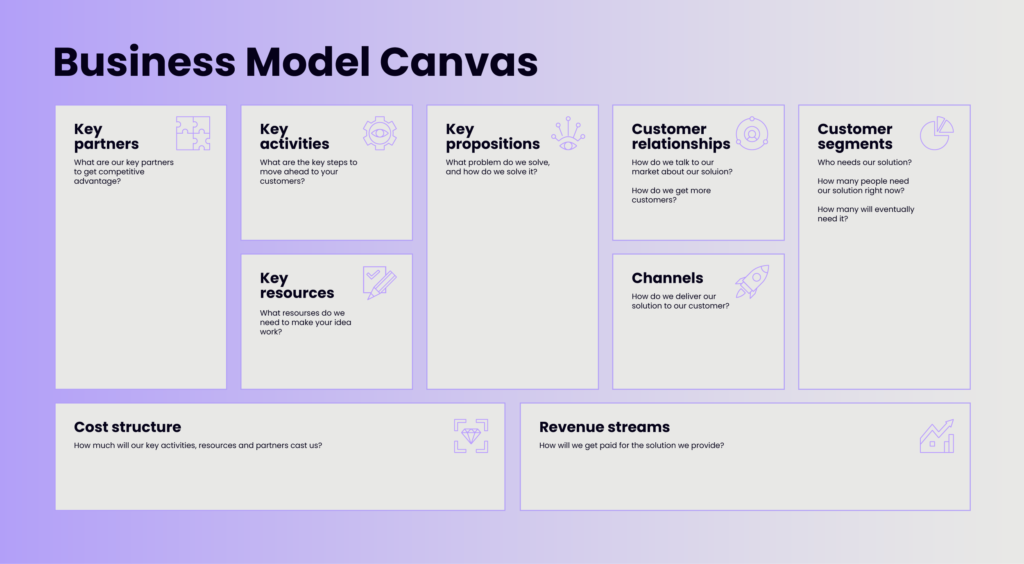
Business model canvas for start-ups: The Windmill guide to design thinking
A start-up may find initial success selling one or two products to a small customer base without being too detailed in their business planning. But to scale up successfully, precision is required.
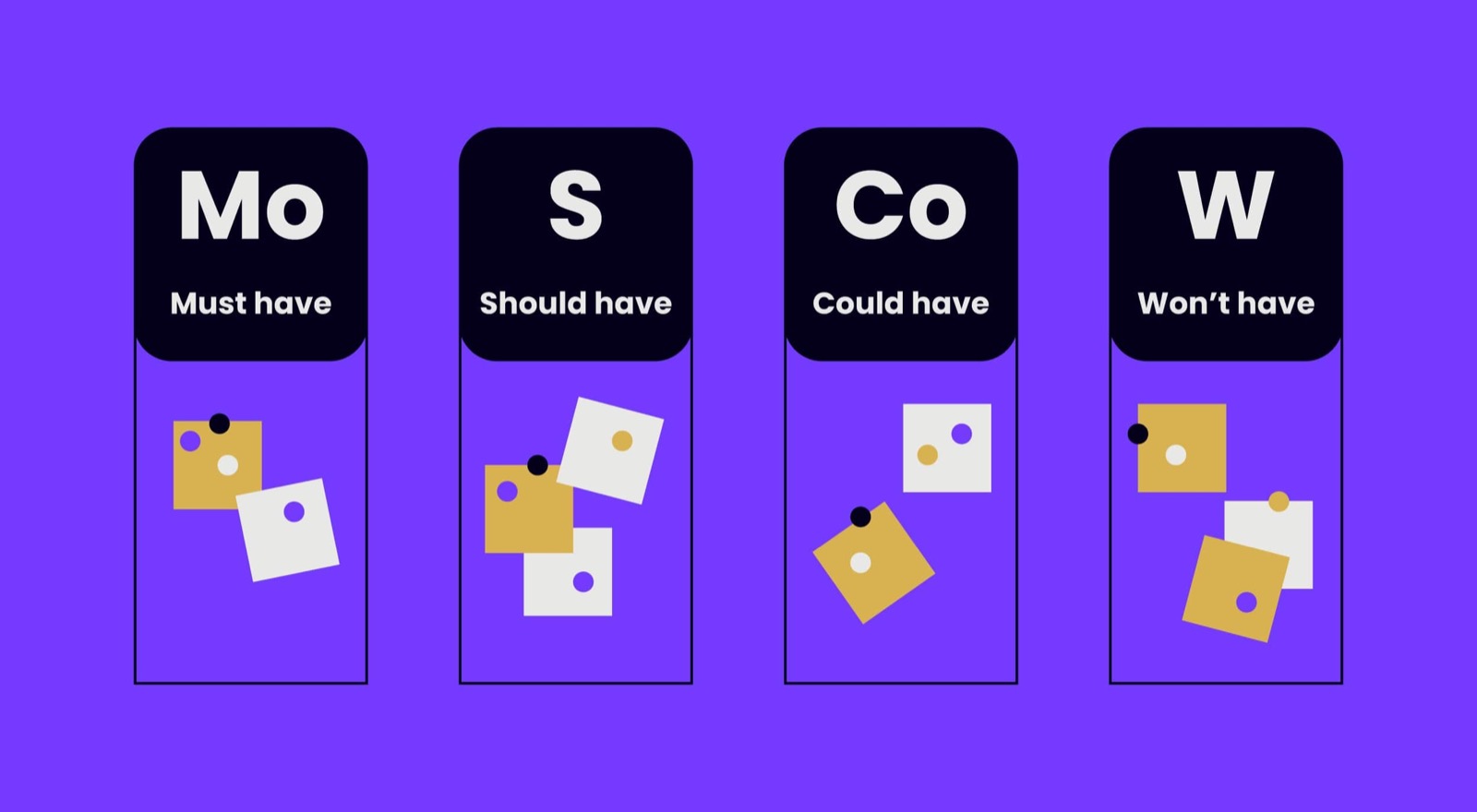
4 great feature prioritization methods for an MVP
In this article, I will talk about four common methods of prioritizing features for an MVP. But first, let me get the basics out of the way.
12 questions a designer should ask before embarking on a project
Before beginning a design project, there are a few important questions you should consider. Some of these questions will be directed at you, the designer, but the vast majority will be directed at you
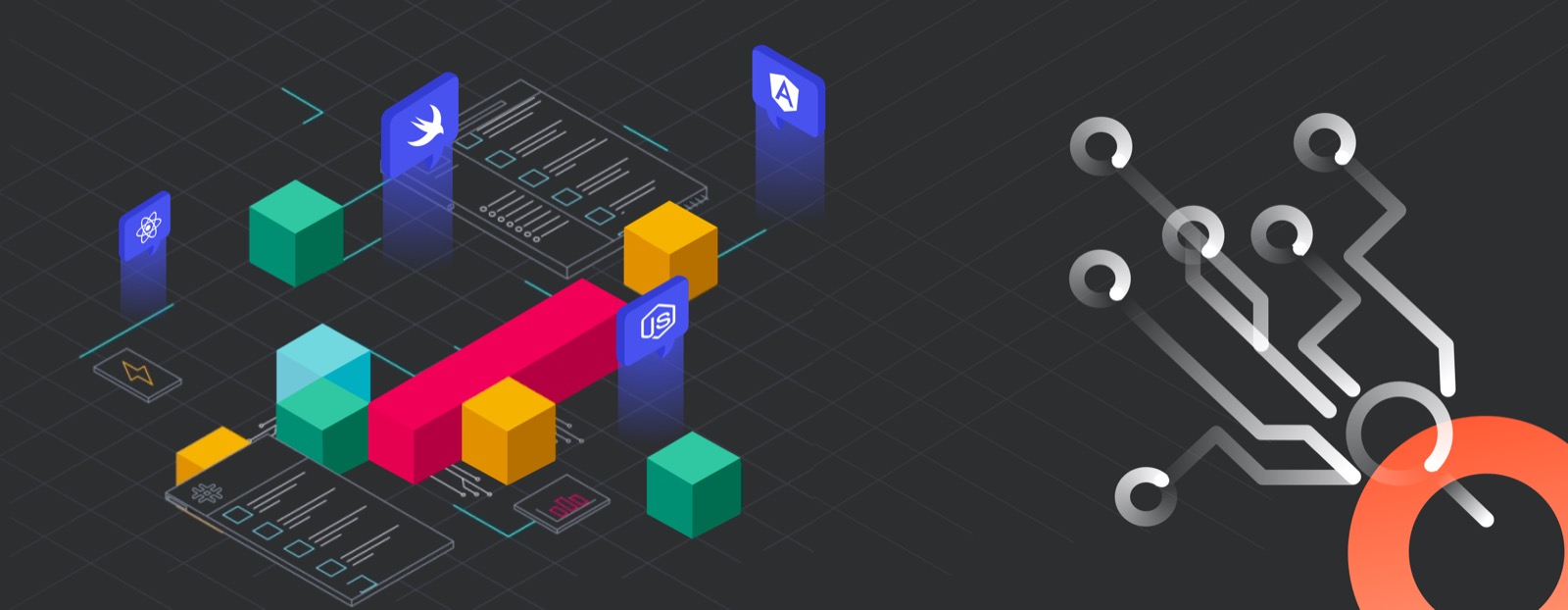
Enterprise engineering and how it can help simplify the tech ecosystem for enterprises
Everyday life is like programming, I guess. If you love something you can put beauty into it. – ACM Turing Award recipient Donald Knuth Why are enterprises across sectors adopting enterprise engineeri

Customer experience vs. user experience: Why the difference matters
The ever-evolving digital landscape challenges businesses to stay ahead by delivering exceptional customer experiences. “Customer Experience” (CX) and “User Experience” (UX) are two terms that often c
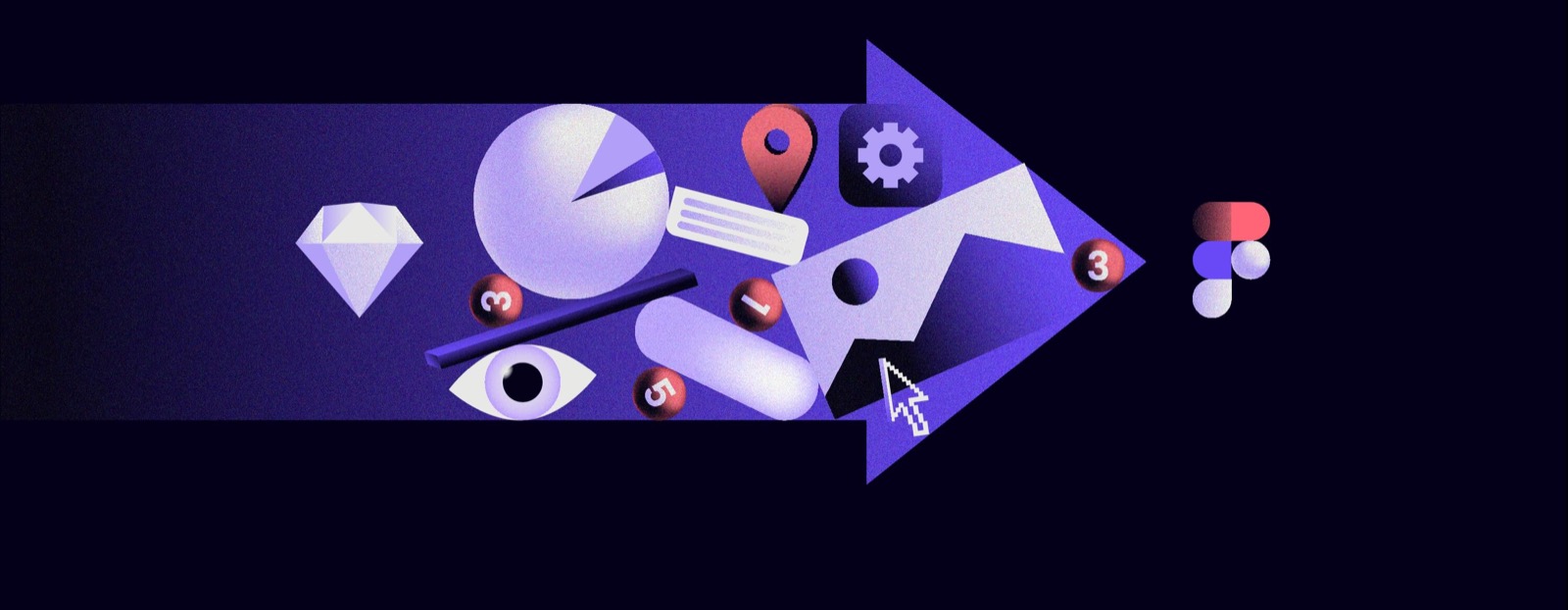
Figma tutorial: How to import a project from Sketch to Figma
Figma Tutorial: How to Transfer a Project from Sketch to Figma Many designers continue to work in programs familiar to them, such as Sketch, even if new programs, such as Figma, have surpassed them in
How to develop a product vision
A product vision statement is a valuable tool that tells the outside world where your product is heading and what you hope to achieve. Creating a product vision statement should be the first step in l
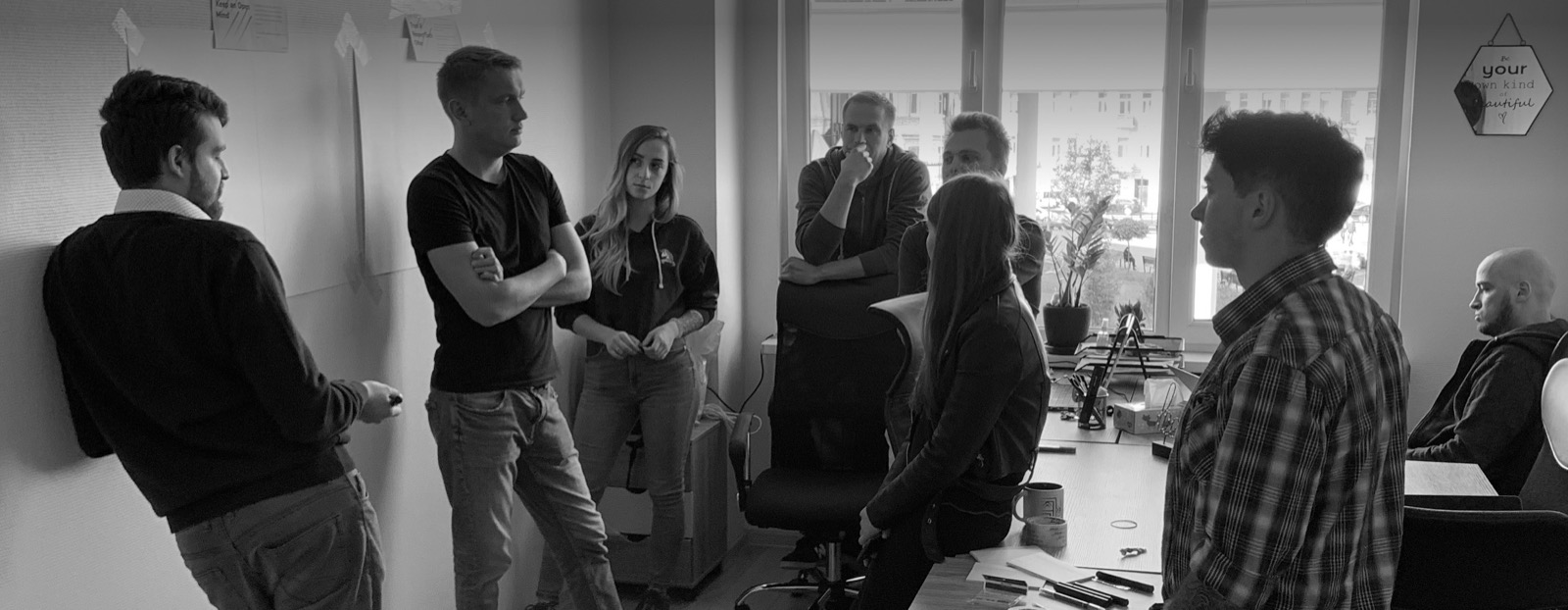
Five challenges for a self-sufficient team
Great teams can self-organize, self-start, and work self-sufficiently. And the right project management approach can enable this proactivity — but first, we have to understand some of the fundamental

The dark side of UX: Deceptive patterns
User Experience (UX) design seeks to create meaningful products and interfaces that prioritize user empathy and support. However, within this realm of design, there exists a darker side characterized

The complexity of multi-channel patient recruitment platforms in clinical trials
Patient recruitment in clinical trials: a multi-channel landscape where traditional methods meet digital platforms, a variety of communication mediums, and where reaching the right participants feels
Desk research: What it is & why it’s essential in product development

Windmill experts: Taras Bakusevych
What does it take to put together a world-class design team that can take on any challenge? Taras Bakusevych has set out to explore that as Principal Designer at Windmill Smart Solutions. Taras began
How to frame a complete and actionable product vision in 2 weeks with design sprints
In a hyper-competitive software-driven world, you are only as good as your capacity to deliver products that delight your customers -fast. Software runs the world and enterprise products too have to j

What is digital transformation?
In today’s fast-paced and technology-driven world, digital transformation has become a buzzword across industries. But what does it really mean? In this guide, we will delve into the concept of digita

Effective UX research part 1: Preparing for research
Want your users to fall in love with your designs? Fall in love with your users. – Dana Chisnell, thought leader in civic design Achieving delightful user experiences in today’s ever-changing climate
What happens after a design sprint workshop for start-ups?
You’re thinking about buying a Design Sprint workshop to kick-start the solution to your biggest problem. But you know a Design Sprint is just the first step in a longer process and that more work wil

Building user empathy: The Windmill guide to design thinking
You might hear designers talk a lot about empathy—specifically, empathy with the customer. That doesn’t mean they’re desperately concerned about the customer’s personal worries and feelings, for insta
How Wealthtech is democratizing investing
Abiding by the status quo is so yesterday: Wealthtech firms nowadays are smashing it. Despite the name, Wealthtech firms don’t exclusively cater to the wealthy, but use technology to extend their serv
Information architecture: Mastering the structural design process
Everyone is an Information Architect, whether they know it or not. If you’ve ever restructured folders on your hard-drive to make files easier to find, you’ve practiced information architecture. At it
All you need to know about effective UX research part 3: Analysis and reports
A problem well stated is a problem half solved. – Charles Kettering Meeting the UI expectations of modern users requires design teams to spend considerable time and effort carrying out thorough UX (us
Accessibility 101: Design principles a designer must know
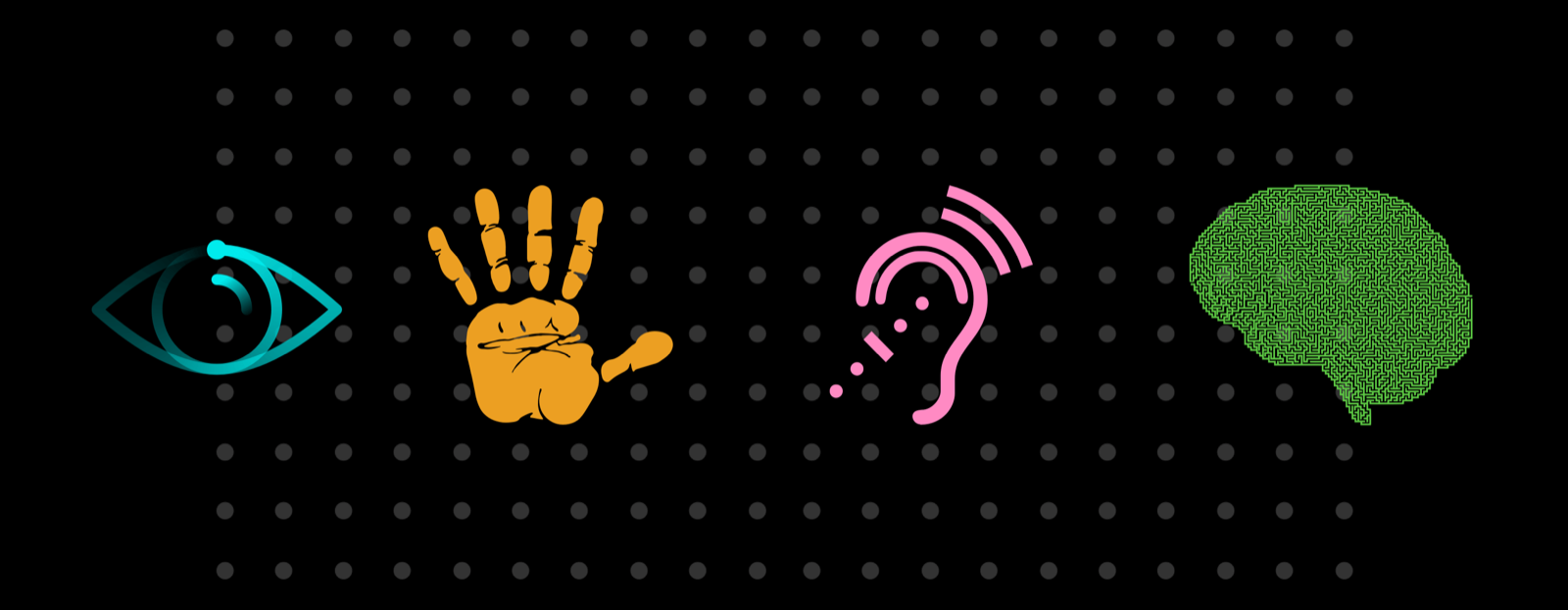
As human society continues to grow, so does its diversity. There are lots of groups of people with special needs, and innovators are doing everything in their power to make them go through their day s

Exploring Windmill’s design thinking methodology
Accelerating WealthTech innovation with Topaz, Windmill and AI
The WealthTech industry has been rapidly growing in recent years, driven by advances in technology, changing consumer preferences, and increasing demand for personalized financial services. WealthTech
How to build a finance app
Manually managing your finances is becoming a thing of the past. With finance apps on the rise, managing investments, spending, and budgeting has never been easier. For users, finance apps are a great
Topaz Digital: enabling Neo banks
Neo banks, also known as challenger banks, are rapidly gaining popularity due to their innovative features and user-friendly interfaces. These digital banks offer a premium experience for clients with
What is impact mapping & how is it used in product development?
Impact mapping is a relatively new technique that has gained popularity recently as more businesses look for ways to improve their product planning process. It provides a visual representation of vari

Design brief: What is it & how to make one (with examples)
In the world of design, whether it’s graphic design, web design, or product design, a design brief plays a crucial role in ensuring the success of a project. By providing valuable guidance, it ensures

User interviews: The Windmill guide to design thinking
User interviews are one of the most important aspects of UX research. When designing anything in UX, considering the user’s needs and perspectives and how the product affects them is critical to succe

Fintech vs Wealthtech
While Fintech and Wealthtech may seem like two fruits from the same tree, they do indeed have their differences. Fintech combines finance and technology, Wealthtechaims to offer an alternate solution
The ultimate guide to product design
Product design blends creativity, innovation, and problem-solving to shape the products that enrich our daily lives. Whether you’re a developer, product manager, or project manager, unlocking your ful

Windmill experts: Miles Hobart
Having spent his entire career in product, including related stints in strategy, partnerships and business development, Miles Hobart — UK Principal here at Windmill Smart Solutions — knows a thing or
Why our sprints run on sanitised data
The most common reason an AI project has not started is not budget. It is that nobody can get access to the data yet.
The number in the case study is never the interesting part
Every case study here has a number in it. They are true, and they are the least useful thing on the page.

The build-versus-buy question flipped. The harder question is what you want to own.
Two weeks is the number that travels. It is the least interesting thing about it.

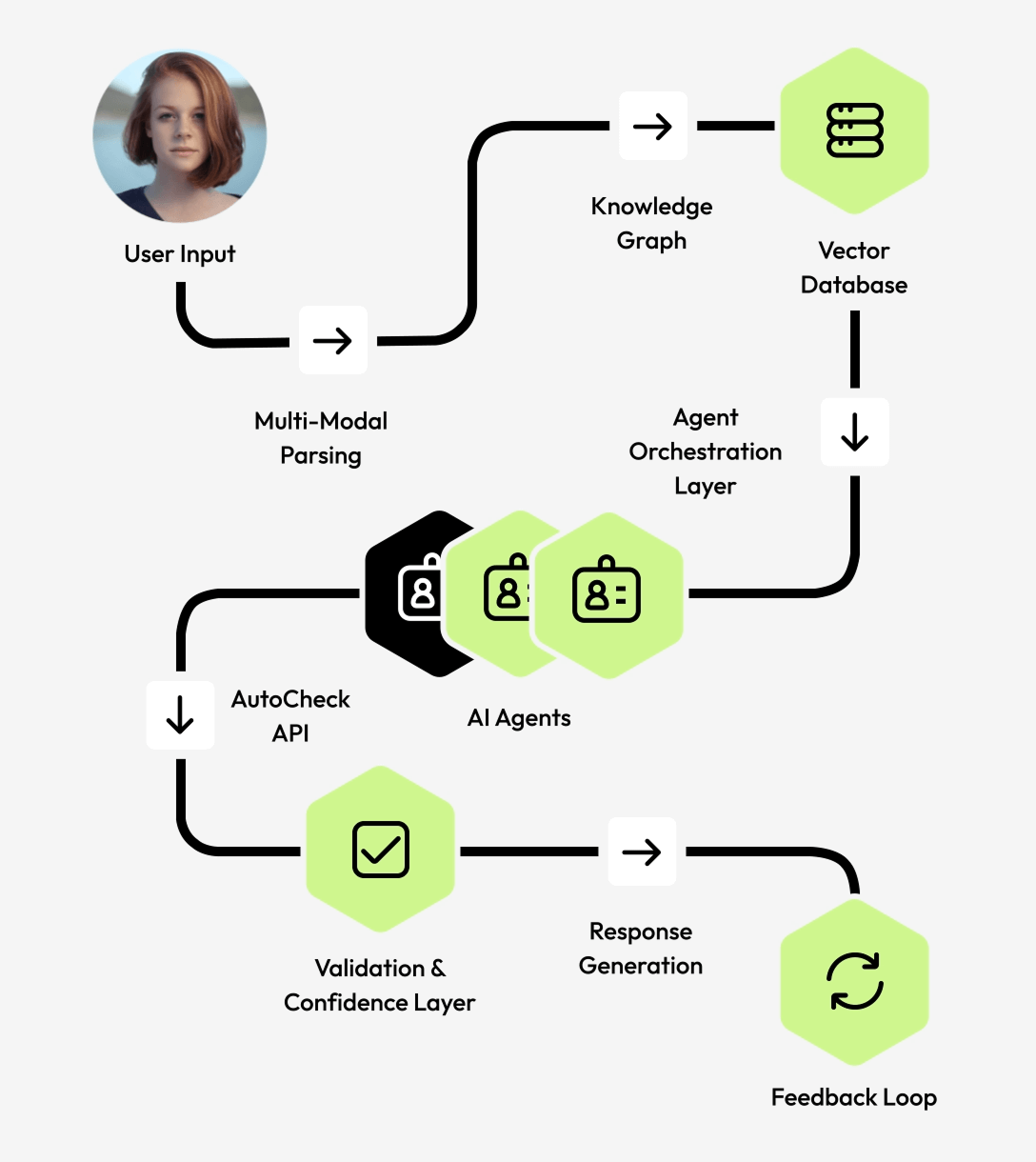
What five agents actually do to a clinical intake file
Five agents, each with one job. Splitting the work that way was never about speed.
What "good enough to ship" means when the output is clinical
Most AI evaluation writing is about models. In health the useful question is about gates.
Running clinical AI under HIPAA and GDPR at the same time
Health projects arrive with both regimes attached. It is cheaper to treat that as one architecture question.
The KYC agent was the easy part
Automating the check is solved. Getting a compliance officer to accept the output is where the project lives.
What a design sprint for a bank has to do that a start-up sprint does not
Same four weeks, same process. What differs is what has to exist at the end.