
Building reliable AI document pipelines
Onboarding and health data live in messy documents. Reliability is the product.

Most enterprise use cases for agentic AI involve some automated processing of unstructured documents. We have specifically been working recently on automating onboarding to financial institutions and on health data aggregation, both of which rely on a vast array of different documents. The challenge isn’t just extracting data—it’s doing so reliably, at scale, across formats you don’t control, under rules you can’t ignore. This post shares lessons from building production-grade document processing systems using LangChain and ChromaDB, focusing on what actually works when accuracy, modularity, and auditability are non-negotiable.
OCR and Vectorization: Getting the Text Right
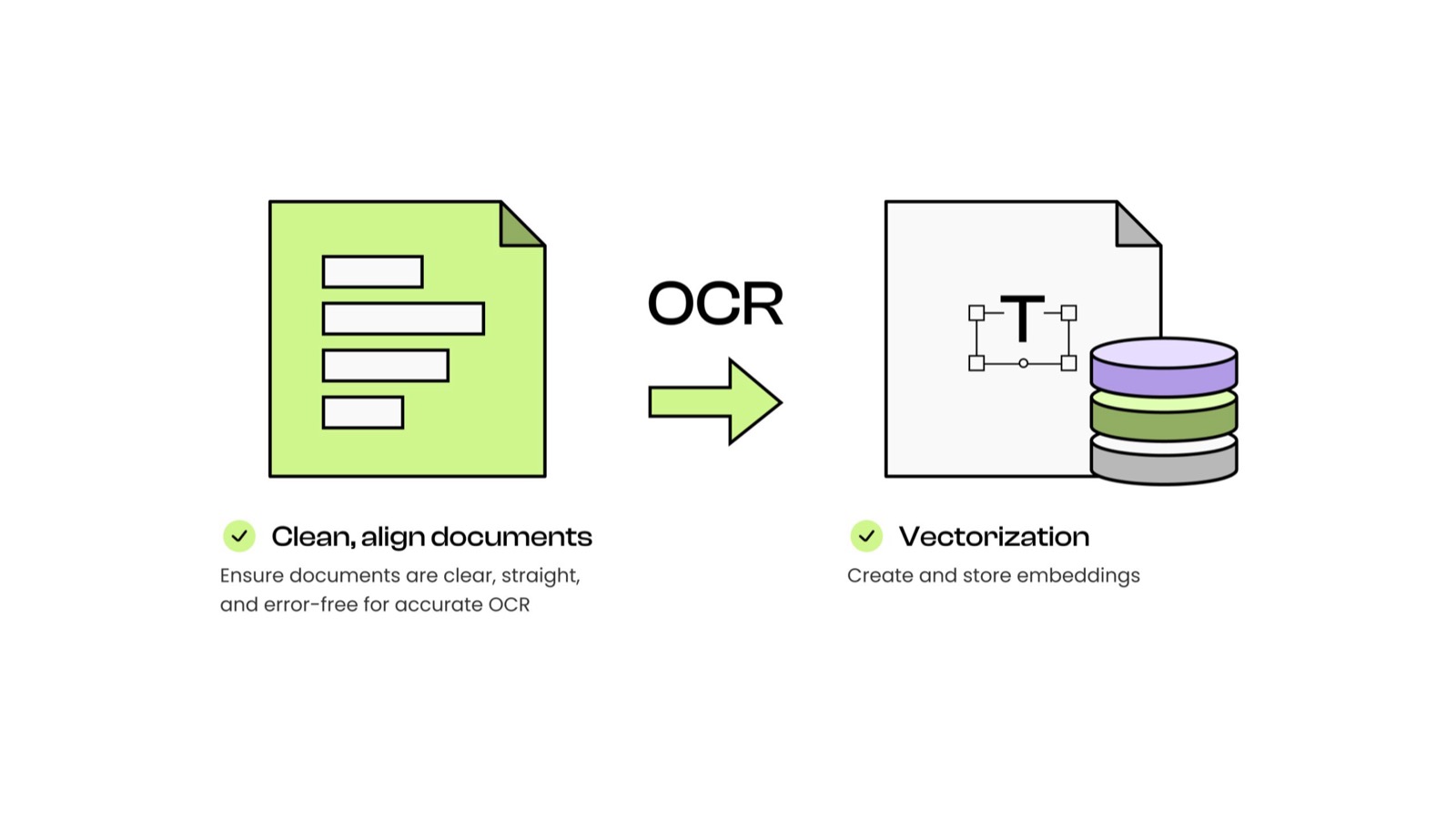
First things first—get good input. GPT-4 Vision is solid, but only if you feed it clean, aligned documents. We’ve seen even minor rotation or poor scan quality mess up layouts. Spend time upfront cleaning things up. You’ll thank yourself later.
Once you’ve got usable text, it’s all about vectorization. Sometimes sentence-by-sentence works. Other times you need to embed whole sections to preserve meaning. There’s no universal rule here—you need to test. ChromaDB takes care of the storage side, but garbage in, garbage out still applies.
LangChain: Managing the Workflow
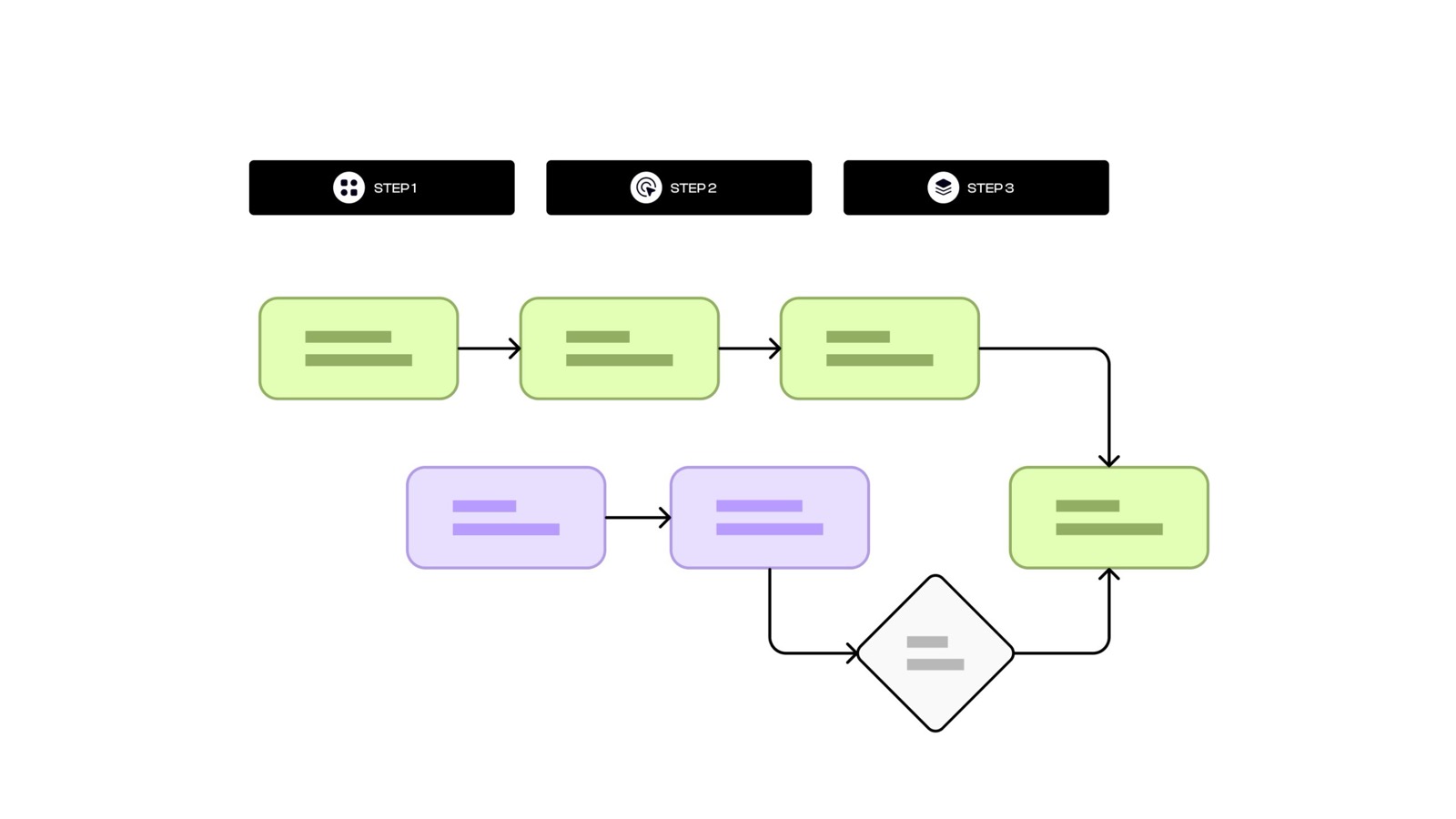
LangChain helps you build in structure—important when your system grows. Think of it like this: one part figures out what kind of doc you’re looking at, another part extracts info, and another checks if the output looks sane. That modularity saves time when things inevitably change (new doc type, new format, new client).
Validating What the AI Finds
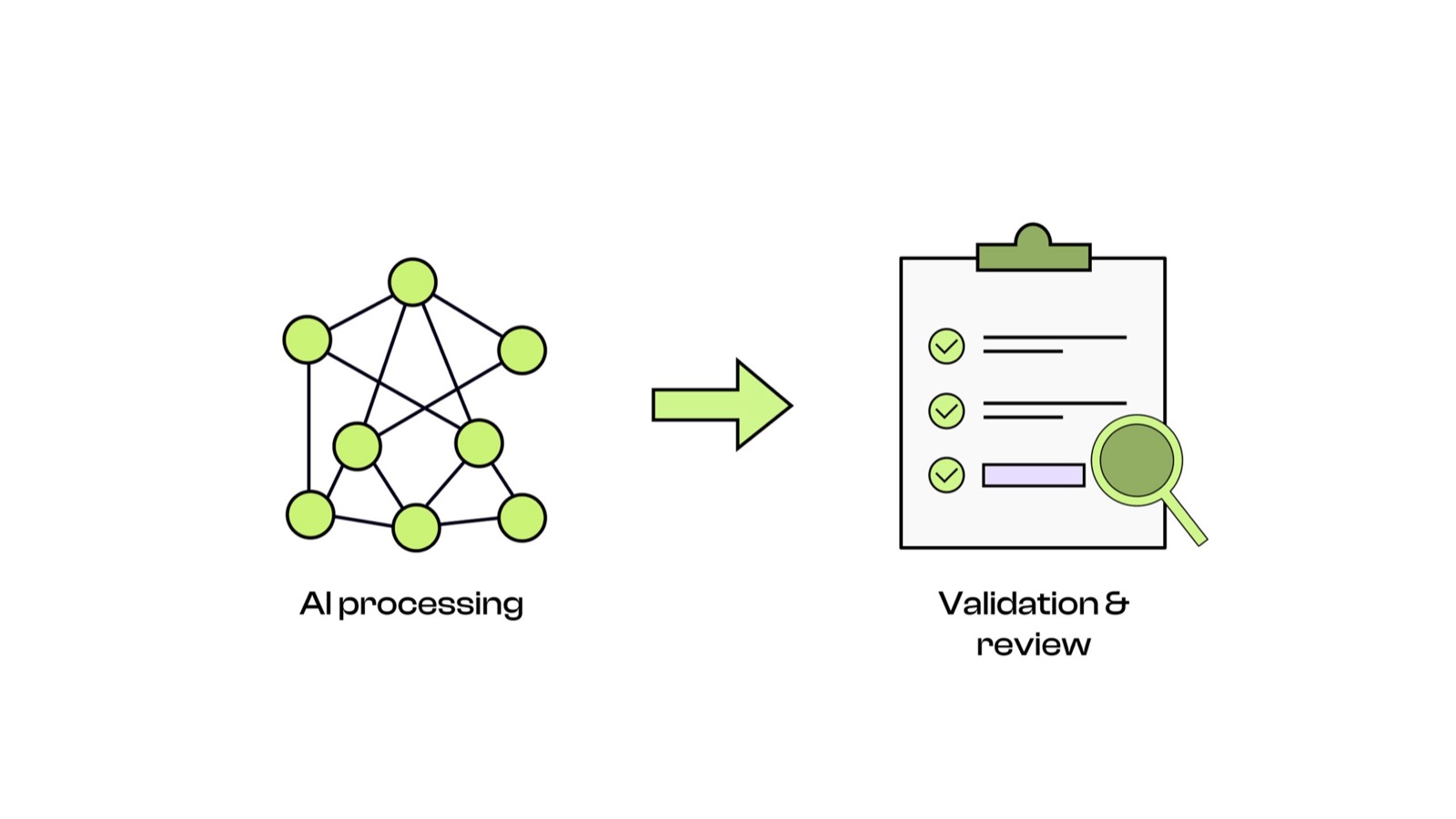
Extraction’s only half the battle. The system has to know when it might be wrong. That means format checks (is this a date?), logic rules (issue date before expiration?), and sometimes calling an external API to double-check the data. We’ve had best results when errors are flagged clearly for human reviewers, not hidden away in logs.
Review and Output: What the End User Sees
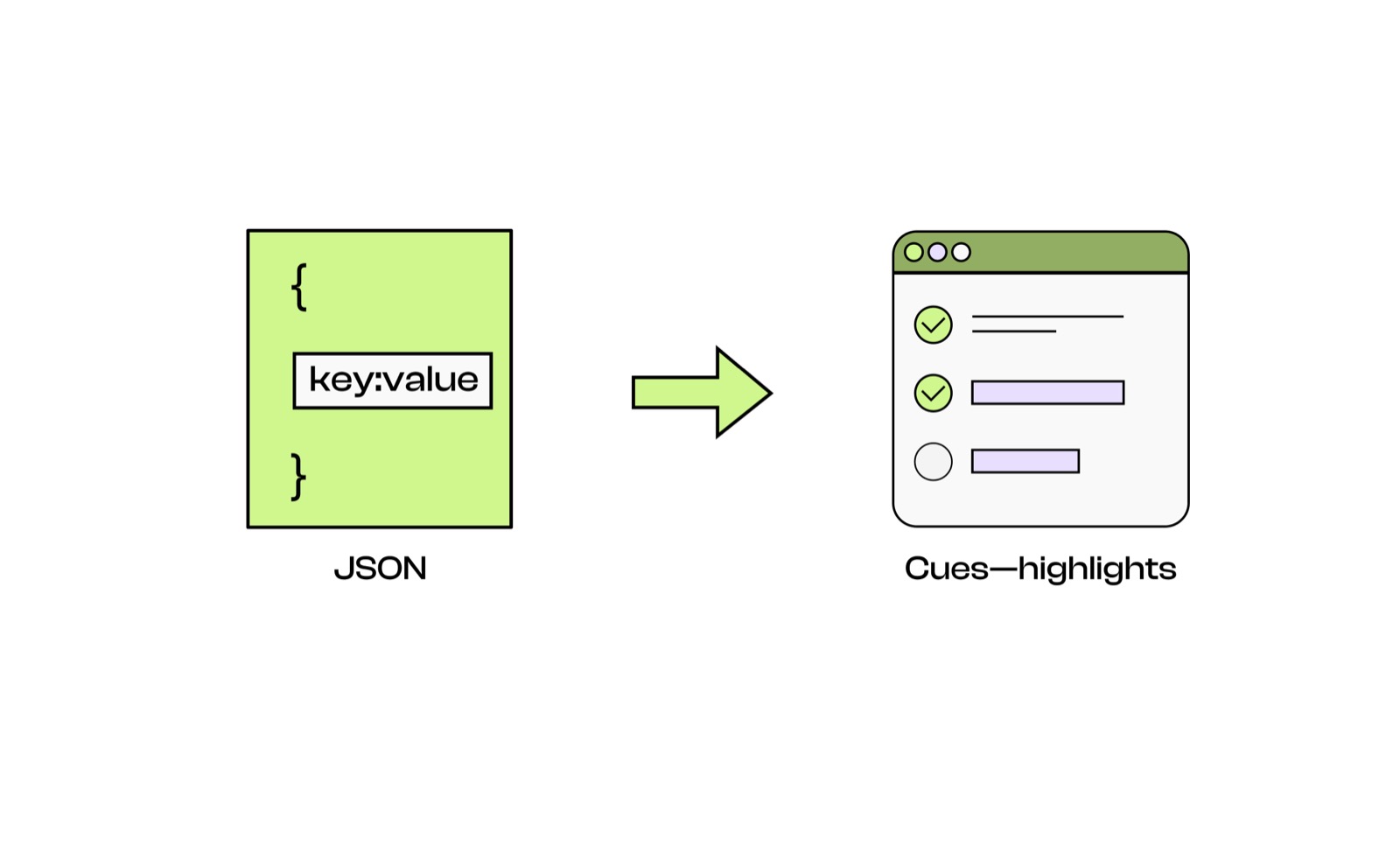
Outputs need to be system-friendly and human-friendly. Sure, JSON works for automation. But people reviewing the output need visual cues—highlights, confidence scores, and places where something didn’t quite match up. That extra bit of design goes a long way in trust-building.
Retrieval at Scale: What Slows You Down
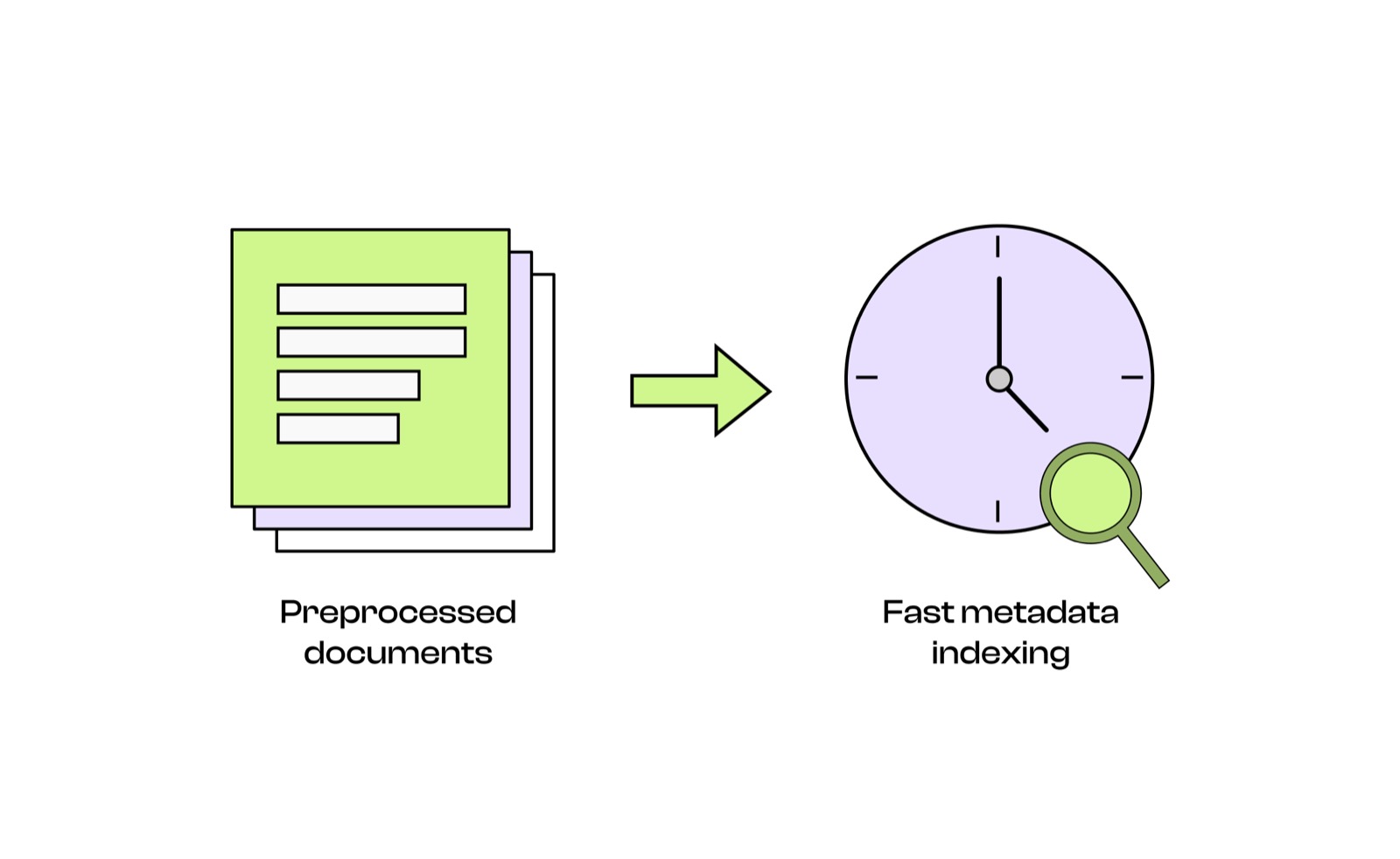
Once you’re working with volume, retrieval becomes the bottleneck. Embedding ahead of time saves you from runtime headaches. Metadata indexing helps narrow the search space fast.
Another tip? Don’t split documents arbitrarily. Break them up where the meaning changes—sections, not pages. And don’t rely on a single phrasing for retrieval—fire multiple variants and compare.
And yes, track what’s happening. We’ve caught bugs just by looking at which prompts led to manual corrections.
Modular by Design
Treat every part of your pipeline like it might change tomorrow—because it probably will. One client may want a new validation rule. Another might need their own document format supported. Keeping OCR, embedding, and retrieval loosely coupled makes it easier to adapt without breaking things.
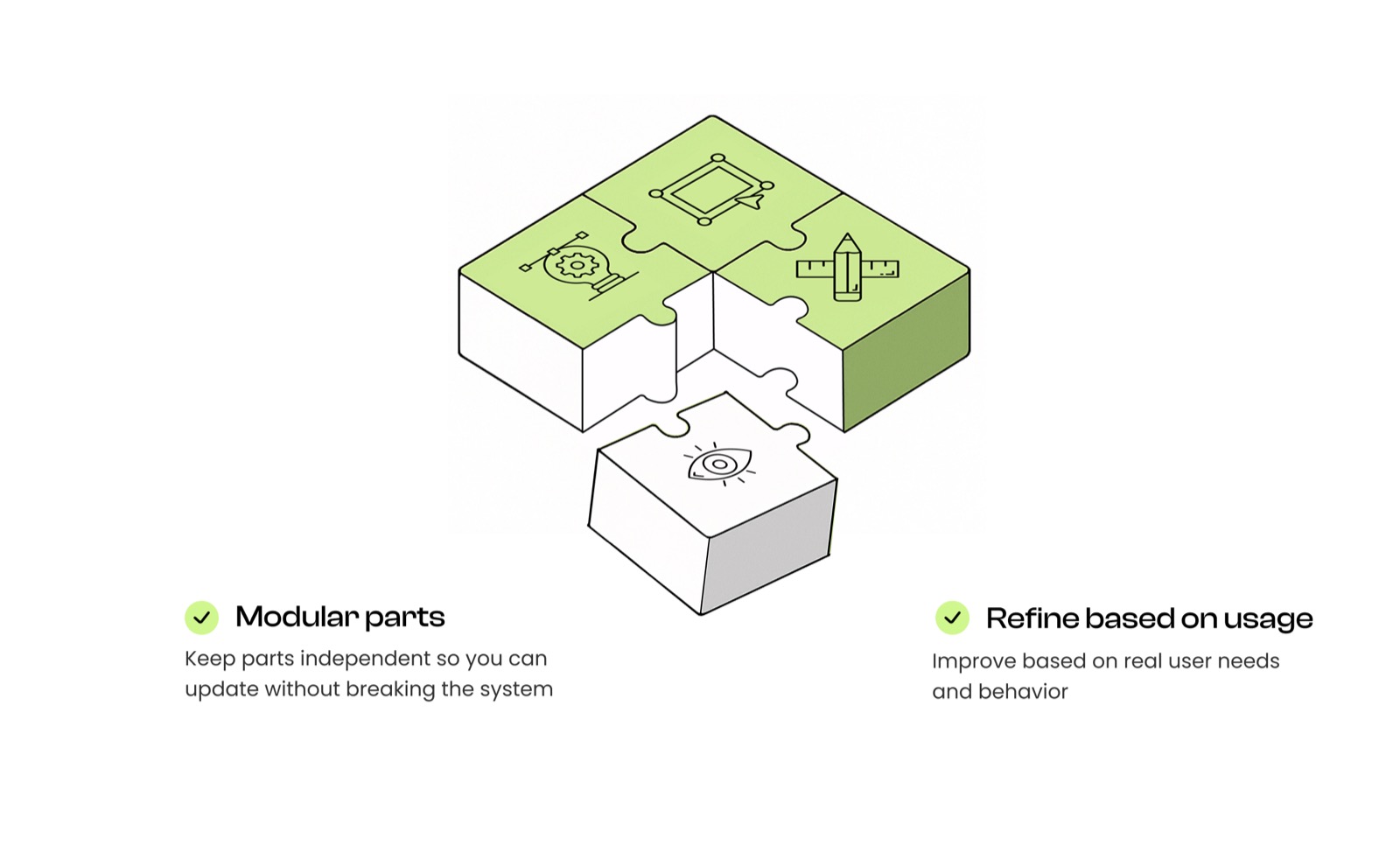
You don’t have to get everything right the first time. Build something workable, let it run, and refine it based on what people actually use it for. Real-world usage will tell you what matters most.
And how will this space evolve? My personal forecast would be adaptability – agentic AΙ implementation marks a phase where data is analyzed, verified across sources, and questioned when ambiguous. As models become more sophisticated and integrations deepen, the focus will shift to adaptive systems that learn from user interactions instead of purely rule-based workflows. Μanaging change is crucial. With formats, regulations, and expectations constantly evolving, only the most adaptable systems will succeed.
Ready to test this architecture on your data?
We validate use cases in 4 weeks via our productized Agentic AI Design Sprint.
Related Insights
From SaaS to self-built in weeks, not months: Why we created Audra Vibe
How we replaced a SaaS stack with an AI-native build in weeks — and why that is now our default.
2026Audra Eval: How we hold our own AI work accountable
CI/CD for AI accuracy: quality gates, citations, hallucination rates, and production monitoring.